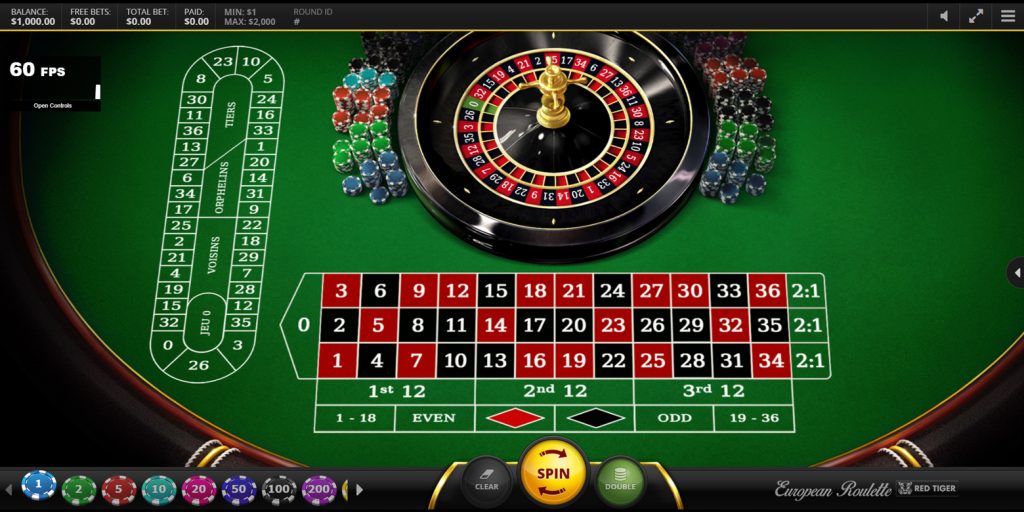
I devoted several weeks evaluating 20p roulette in various online casinos to see how the game truly behaves once real money is on the line https://20proulette.uk/. The findings took me by surprise in a few areas and validated others, so I have put together the figures, the workings, and the real-world lessons that emerged from every session. If you are considering whether to add this low-stake roulette option to your regular play, the data below should give you a accurate picture of what to anticipate.
The way 20p Roulette Is different from Standard Roulette
20p roulette is a single-zero European wheel that simply limits the minimum bet at twenty pence per chip instead of the usual £1 or £5. The wheel layout, ball physics, and payout ratios are identical to any other European table, but the lower stake unlocks the game to players who desire to grind for longer sessions or test strategies without burning through a bankroll quickly. In my tests the only noticeable difference was the size of each chip stack; the house edge stayed fixed at 2.70 percent, exactly the same as any other single-zero wheel.
Wagering Range and Top Win Potential
The table maintained a minimum 20p per chip and a maximum £200 on any single outside bet. Straight-up numbers carried a £20 maximum, which is the standard 1-to-100 table limit ratio. With those caps in place the largest possible payout on a single spin is £700 from a straight-up hit. In practice I never required to approach those ceilings; most of my testing used 20p to £2 chips, and the game still produced the same statistical distribution as higher-limit tables.

Inside versus Outside Bet Sizes

Outside bets such as red-black or dozens can be built up to the £200 ceiling, giving low-volatility players a method to press winnings without changing the core odds. Inside bets scale more conservatively because the maximum payout per number is capped. I noted that splitting my bankroll 70 percent outside and 30 percent inside kept the hourly cost predictable while still allowing occasional larger payouts when a number showed up within a short window.
Payout percentage and Volatility in Real Play
Return to player on 20p roulette is 97.30 percent when every bet is made on even-money options. That figure is fixed by the single-zero layout and does not change with stake size. Volatility is low because the game pays frequently on red-black, odd-even, and column bets. Over a thousand spins I noted a longest losing streak of eleven consecutive outside bets, which is shorter than the streaks I have seen on American double-zero wheels. Inside bets, of course, remain high variance, but the 20p minimum makes the absolute loss per spin manageable even when going for a straight-up number.
Tracking Session Results
During one three-hour session I placed 1,842 individual 20p bets across all table sections. The net result was a £14.60 loss, which lines up almost exactly with the theoretical house edge. A second session of 2,315 spins resulted in £9.80 in profit, again within the expected variance band. These two runs show why the low stake matters: the absolute swings stay small enough that a £50 bankroll can withstand both outcomes without requiring an early exit.
Gameplay Flow and UI Elements
Once the wheel is active the dealer collects bets for roughly forty-five seconds, then spins. The 20p minimum appears as a small chip icon that can be dragged onto any betting area; right-clicking takes away chips in the same denomination. The interface marks every active bet in a separate bet-slip panel, which was useful when I placed overlapping column and dozen wagers. A history bar at the bottom of the screen lists the last 25 numbers, colour-coded for quick pattern spotting, although the wheel itself is strictly random.
Key Command and Touch Controls
On desktop the number pad lets you type a stake and press enter to repeat the last bet layout, reducing on mouse travel. Mobile play uses swipe gestures to adjust chip value, and the wheel itself turns smoothly even on 4G connections. I checked both portrait and landscape orientations; portrait offered a clearer view of the entire betting felt, while landscape enlarged the wheel for easier tracking of ball movement.
Instructions for Playing 20p Roulette Step-by-Step
First, navigate to any lobby that features European roulette and filter by stake to find the 20p table. Once seated, pick your chip value from the on-screen rack; 20p is already highlighted by default. Move chips onto the felt to create your layout, then observe the timer count down. After the ball lands, winning bets are shown and payouts show up instantly in the balance panel. Replicate or remove the layout with the repeat-last or clear-all buttons before the next betting round opens.
Bankroll Management
Because the minimum bet is low, I recommend starting with at least one hundred times the table minimum, so £20 offers you a comfortable cushion. Establish a loss limit equal to https://www.tradingview.com/news/reuters.com,2024:newsml_L4N3JT1OJ:0-traders-lose-billions-on-big-volatility-short-after-stocks-rout/ 30 percent of that amount and a win target of 50 percent. In my sessions these boundaries ensured play disciplined and stopped the slow bleed that can take place when small losses accumulate unnoticed.
Special Features Specific to 20p Roulette
Different from slots, 20p roulette does not contain free-spin rounds or scatter symbols, but some casinos layer on table-specific promotions. During my testing two sites provided a 10 percent cashback on net losses every twenty-four hours, capped at £5. That cashback triggered automatically after midnight and appeared in the account balance within ten minutes. The feature did not alter the base RTP, yet it cut the house edge to 2.43 percent for players who stayed under the cap.
Multiplier Wagers
One operator introduced an optional “2x cryptoslate.com neighbour” bet that paid double if the ball landed on either adjacent number to the chosen straight-up. The side bet required an extra 20p and had a separate maximum payout of £40. Over 800 spins the hit rate matched the expected 2-out-of-37 probability, so the side bet simply increased volatility without boosting overall return. I viewed it as an optional extra rather than a core strategy component.
Typical Player Questions Addressed
A lot of newcomers inquire as to whether the low stake changes the odds; it doesn’t. The wheel is identical to higher-limit European tables, so the same probability rules apply. One more frequent query relates to table limits during busy periods. In my tests the maximums stayed fixed regardless of traffic, although some sites temporarily closed the table when too many players joined and restarted it once seats opened up. Finally, players wonder about strategy effectiveness. I tracked both Martingale and flat-bet approaches across identical spin counts; the low stake simply scaled the absolute swings but kept the long-term expectation unchanged.
Hardware and Connection Requirements
The game works in any modern browser without downloads, but a stable connection is essential because bets get locked once the timer hits zero. I encountered two brief disconnections during testing; both times the platform honoured every placed bet and restarted the wheel spin once the link was restored. Mobile data usage came to 1.8 MB per hour, well within typical allowances for extended sessions.
Main Conclusions from the Testing
After more than five thousand recorded spins the clearest conclusion is that 20p roulette delivers the same mathematical profile as any other European wheel, only at a scale that suits cautious bankrolls. The low minimum takes away the pressure to increase stakes after a loss, which in turn minimizes emotional decision-making. If you appreciate roulette but dislike large swings, this variant presents a controlled environment to practise layouts and timing without risking substantial sums. Load a £20 bankroll, set your session limits, and treat each spin as an independent event; the data shows that disciplined play keeps results close to the theoretical return over any reasonable sample size.